|
Mela Charaghaan: Madhu Shah Lal’s Urs
Pakistani devotees celebrate the annual festival of the Muslim saint
Madhu Lal Hussain in Lahore on March 29, 2009. The 421th annual
festival celebrations of Hazrat Madhu Lal Hussain popularly known as
'Mela Charagan' began at his shrine for a three-day period.
Devotees flock to ‘Mela Charaghan’ on day two
LAHORE: Thousands of devotees across the province on Sunday attended
the second day celebrations of ‘Mela Charaghan’ at the shrine of
Madhu Lal Hussain. The number of people present was more than the
first day, while a number of foreigners were also present to attend
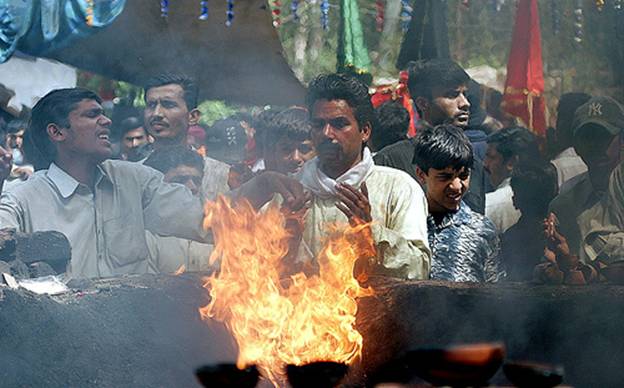
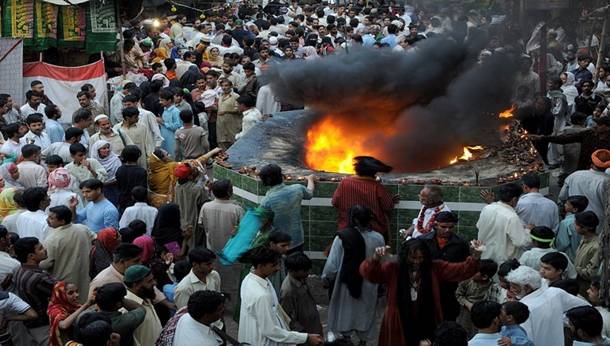
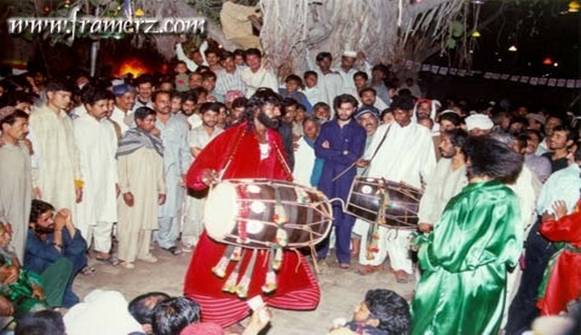
the urs celebrations. Peoples lit lamps and danced to the drumbeats,
while devotees distributed sweets and langar (dole-out) among the
participants. People sang ‘kaafis’ by Shah Hussain and recited his
poetic verses at arranged gatherings. On the other hand, security
was tightened as compared to the first day of the urs. All entry
points were closed and policemen thoroughly searched the
participants. Due to the Sunday rush, a lot of families were seen at
the celebrations, buying sweets and clothes at different stalls.
Traffic was disturbed on the roads leading to the shrine, which
troubled the citizens. On the other hand, administration of the urs
declared the last day of the urs (today), exclusively for women as
it has been in the past. Daily Times staff report:
Monday, March 30, 2009.
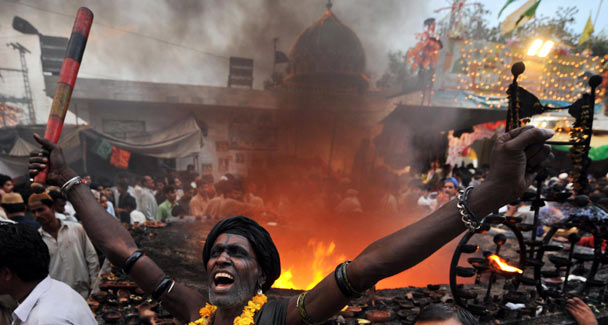
Devotees
gather at the shrine of Madhu Lal Hussain at the start of an annual
festival. —AFP
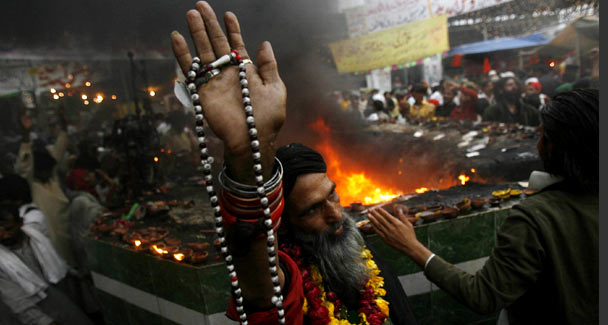
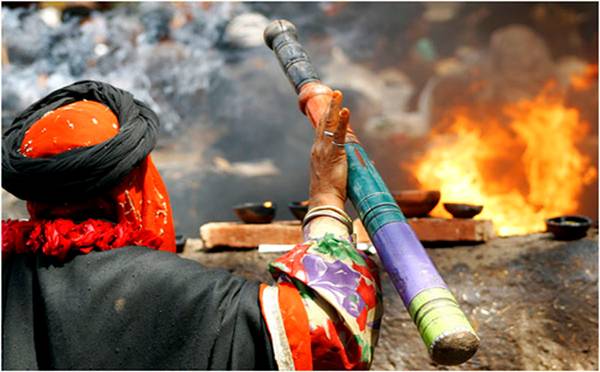
A Faqeer at
the shrine of Muslim saint Madhu Shah Lal Hussain in Lahore.
—Reuters
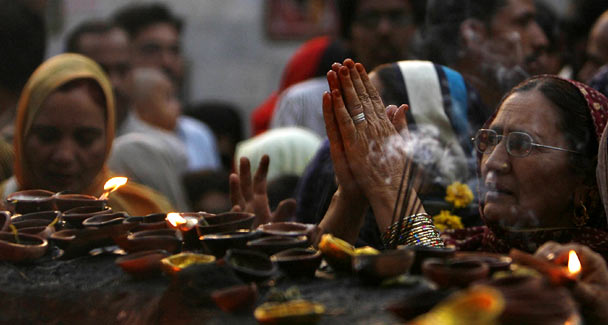
Devotees
pray at the shrine of Muslim saint Madhu Shah Lal Hussain in
Lahore. —Reuters
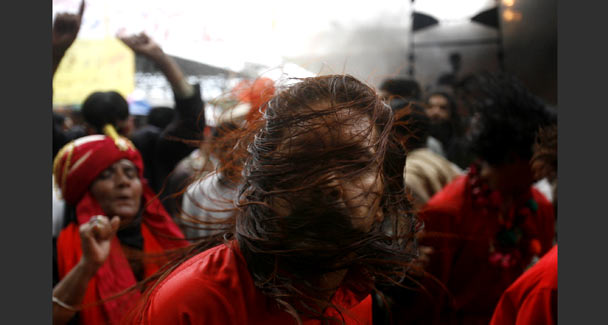
A 'malang'
dance at the shrine of Muslim saint Madhu Shah Lal Hussain. —Reuters
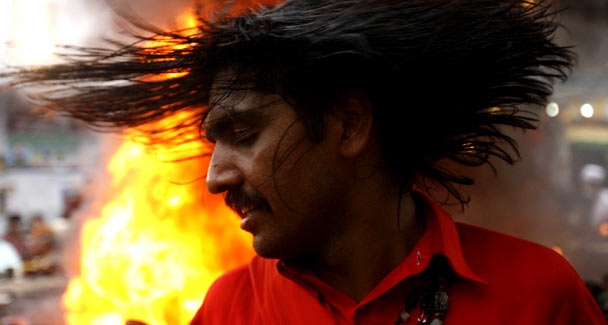
Dhamaal.
—Reuters
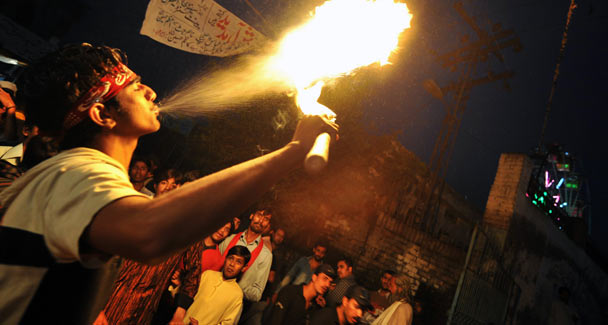
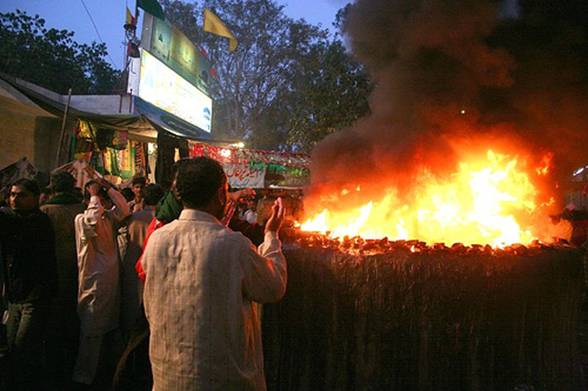
A devotee
blows fire at the shrine. —AFP
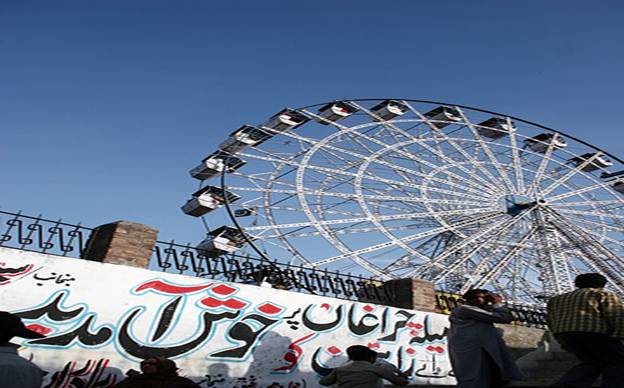
The annual Urs of Madhoo Lal Hussain
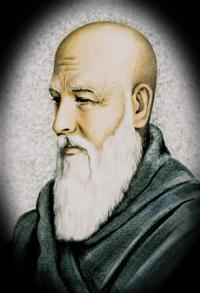
Madhu Lal Hussain said,
"Be never engaged at all
in arguments so long
but ponder over your end
so says Hussain Faqir."
Mela Chiraghan or Mela Shalamar ("Festival of Lights") is a three
day annual festival to mark the urs (death anniversary) of the
Punjabi Sufi poet and saint Shah Hussain. It takes place at the
shrine of Shah Hussain in Baghbanpura, on the outskirts of Lahore,
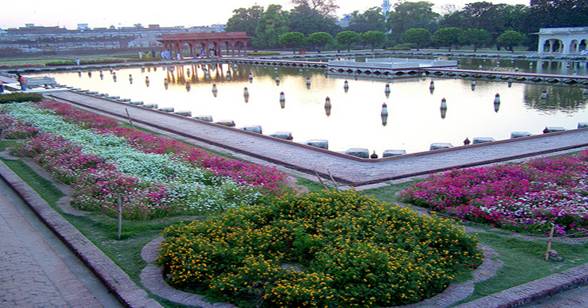
Pakistan, adjacent to the Shalimar Gardens. The festival used to
take place in the Shalimar Gardens also, until President Ayub Khan
ordered against it in 1958. The festival used to be the largest
festival in the Punjab, but now comes second to Basant.
Poetry / Kafis of Shah Hussain
Hussain’s poetry consists entirely of short poems known as "Kafis",
usually 4 to ten lines, designed for musical compositions, to be
interpreted by the singing voices. The rhythm and the refrain are so
balanced as to bring about a varying, evolving musical pattern...
folk songs that draw on the emotional experience of the
community.... record the reactions to the cycle of birth and the
play of desire against the rhythms of hope , despair, exultation and
nostalgia.
Today most of these Kafis are sung, by well know singers and some
have even been used as songs in the Indian Film Industry.
All translations are from Najam Hosain’s book quoted below.
Life’s Journey - limits & boundaries
Main wi janan dhok Ranjhan di, naal mare koi challey
Pairan paindi, mintan kardi, jaanan tan peya ukkaley
Neen wi dhoonghi, tilla purana, sheehan ney pattan malley
Ranjhan yaar tabeeb sadhendha, main tan dard awalley
Kahe Husain faqeer namana, sain senhurray ghalley
Travelers, I too have to go; I have to go to the solitary hut of
Ranjha. Is there any one who will go with me? I have begged many to
accompany me and now I set out alone. Travelers, is there no one who
could go with me?
The River is deep and the shaky bridge creaks as people step on it.
And the ferry is a known haunt of tigers. Will no one go with me to
the lonely hut of Ranjha?
During long nights I have been tortured by my raw wounds. I have
heard he in his lonely hut knows the sure remedy. Will no one come
with me, travelers?
On separation
Sujjen bin raatan hoiyan wadyan
Ranjha jogi, main jogiani, kamli kar kar sadian
Maas jhurey jhur pinjer hoyya, karkan lagiyan hadiyan
Main ayani niyoonh ki janan, birhoon tannawan gadiyan
Kahe Husain faqeer sain da, larr tairay main lagiyaan
Nights swell and merge into each other as I stand a wait for him.
Since the day Ranjha became jogi, I have scarcely been my old self
and people every where call me crazy. My young flesh crept into
creases leaving my young bones a creaking skeleton. I was too young
to know the ways of love; and now as the nights swell and merge into
each other, I play host to that unkind guest - separation.
Female freedom
Ni Mai menoon Kherian di gal naa aakh
Ranjhan mera, main Ranjhan di, Kherian noon koori jhak
Lok janey Heer kamli hoi, Heeray da wer chak
Do not talk of the Kheras* to me,
Oh mother do not .
I belong to Ranjha and he belongs to me.
And the Kheras dream idle dreams.
Let the people say, "Heer is crazy; she has given her-self to the
cowherd." He alone knows what it all means.
O mother, he alone knows.
Please mother, do not talk to me of Kheras.
*The Kheras were a wealthy family.
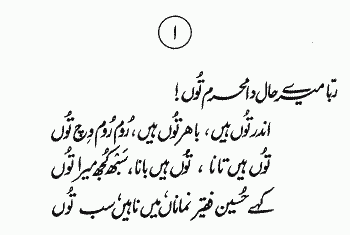
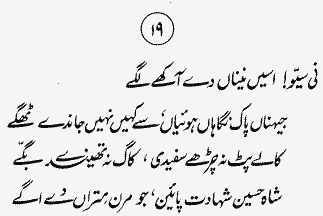
Mai ni main kinon akhan
Dard vichoray da haal ni
Dhuan dhukhay mere murshad wala
Jaan pholan taan laal ni
Jungle belle phiran dhondendi
Ajay na payo lal ni
Dukhan di roti, solan da salan
Aahen da balan baal ni
Kahay hussain faqeer nimana
Shoh milay tan thewan nihal ni
Mai ni main kinon akhan
Dard vichoray da haal ni
March 30, 2008 ·
Daily Times reporting: Three-day annual Urs celebrations of one of the greatest
Punjabi Sufi poets and dancing fakir of Lahore Hazrat Shah Hussain
began at his shrine in Baghbanpura near the Shalimar Gardens on
Saturday.
The celebrations are popularly known as Mela Chiraghan or the
Festival of Lights.
Saturday was a local holiday. Thousands of devotees from the nook
and corner of the country and abroad thronged the shrine of Shah
Hussain on the first day of the celebrations.
The illustrious son of Lahore, Shah Hussain, was born in 1538 to
a convert weavers’ family. He is known for his love for a Brahmin
boy, Madho or Madho Lal, and they are often referred to as a single
person with a composite name of Madho Lal Hussain. Madho’s grave
lies next to the Shah Hussain’s in the shrine. Shah Hussain is the
pioneer of Kafi form of Punjabi poetry.
During the three-day Urs celebrations, the whole of Baghbanpura
and localities close to it buzz with different colourful activities
and an atmosphere of ecstacy and joy prevails. Dhammal to beats of
Dhol becomes a common sight. Devotees light candles for fulfillment
of their prayers and wishes. They also distribute charity food and
set up milk and sharbat sabeel. They also lay floral wreaths and
chaddar at the graves of Shah Hussain and Madho Lal Hussain.
Women also perform dhammal as a ritual. One of the three-days is
made exclusive for women who come in large numbers to the shrine.
A large number of foreigners also visit the shrine. Folk singers
hailing from different parts of the country spend days and nights at
the shrine and sing Kafis of Shah Hussain. In one of his Kafis Shah
Hussain he says “I dance because the doubt has vanished; I’m full of
faults and without any quality.”
Prominent among those who visited the shrine on Saturday included
US Consulate Principal Officer Bryan D Hunt who visited the shrine
to pay homage to Shah Hussain and laid floral wreath and chaddar at
his grave. On the occasion, he said that the saints and sufis always
taught and promoted peace, love,religious tolerance and brotherhood
in the world. He said that teachings of Hazrat Madhu Lah should be
promoted and practiced to bring peace and tolerance to society.
Punjab Auqaf Secretary Raees Abbas Zaidi and Religious Affair
Director-General Dr Tahir Raza formally inaugurated the three-day
Urs by laying floral wreaths at the graves od Shah Hussian and Madho
Lal Hussain shrine. The Aauqaf Deparment also organised a
Mehfil-e-Samma and musical gathering
|
